


Sealable Plastic Bags – Efficiency and Safety for Retail
For many gift shops in Central Europe, the search for high-quality resealable plastic bags is often confusing due to persistent misconceptions about the environment and recycling. Regulations surrounding single-use plastic are becoming increasingly strict, while proper plastic separation remains essential for sustainable business operations. This article provides clear insight into the different types, functions, and environmental aspects of resealable plastic bags, so you can choose the best packaging solution for your shop.
Table of contents
- Definition and misconceptions about resealable plastic bags
- Main types and closing mechanisms
- Material selection and properties per type
- Applications in gift shops and retail environments
- Environmental regulations and recycling in Central Europe
- Comparison with alternatives and common mistakes
Key Points
| Point | Details |
|---|---|
| Sealable plastic bags are versatile | They are not just for storage, but crucial for efficient packaging and presentation in retail. |
| Correct recycling is essential | Consumers and retailers should be aware of proper separation methods to minimize environmental damage. |
| Various types and materials available | The choice of closing mechanism and material depends on product needs and environmental impact. |
| Future regulations are strict | Stricter regulations in Central Europe require separate collection and encourage more sustainable packaging solutions. |
Definition and misconceptions about resealable plastic bags
Sealable plastic bags are versatile packaging solutions that offer much more than just a simple storage method. In the retail world, these bags are a crucial link in efficient packaging and presentation processes. Contrary to popular belief, these bags are not just a disposable product, but a thoughtfully designed material with specific functions.
There are numerous misconceptions surrounding plastic bags, particularly regarding the environment. Plastic packaging must be properly separated for recycling. Many consumers and retailers are unaware of the correct disposal methods. Some common misconceptions include:
- Plastic bags are always bad for the environment
- All plastic bags can be recycled in the same way
- Food residues immediately make plastic packaging unsuitable for recycling
- Plastic bags are infinitely reusable
In reality, resealable plastic bags are more complex than they appear. Single-use plastics are increasingly being regulated due to their potential environmental impact. The Dutch government actively encourages the reduction and proper disposal of plastic materials.
Distinguishing between different types of plastic bags is essential. Not all resealable bags are created equal—they vary in material composition, reusability, and recycling options. Retailers must be aware of these nuances to make responsible choices.
Pro tip: Always check the recycling instructions on plastic packaging and train your employees in proper waste separation for optimal environmental performance.
Main types and closing mechanisms
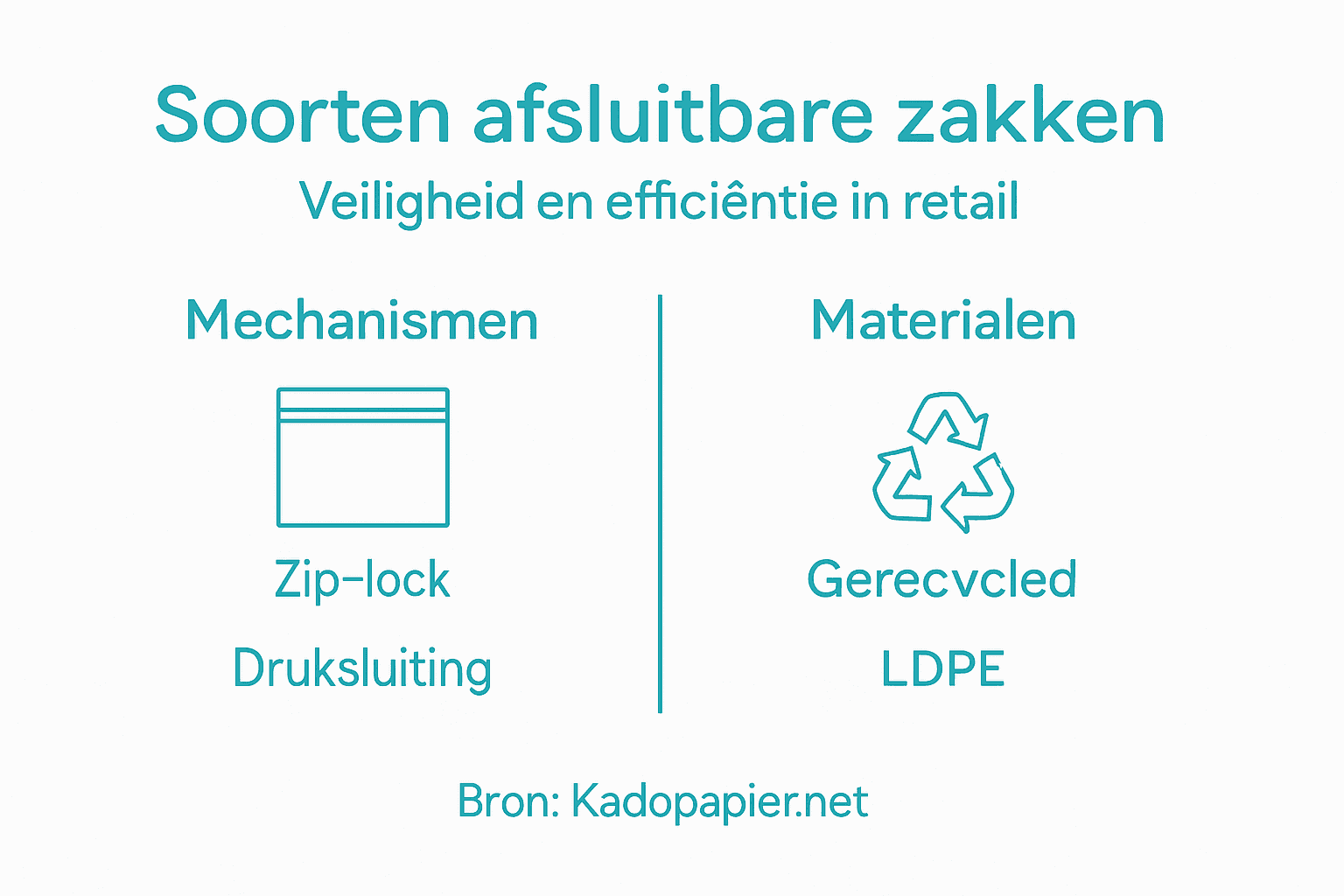
In the retail world, resealable plastic bags aren't all the same. They vary greatly in design, material, and closure mechanisms , which determine their functionality and applicability. From simple zip closures to sophisticated clamp systems, each variant has specific properties crucial for efficient packaging.
The main types of plastic bags can be divided into:
- Zip-lock bags : Versatile and easy to close
- Pressure seal bags : With strong sealing edge
- Slide lock bags : Ideal for repeated use
- Heat Sealable Bags : Perfect for professional packaging
- Block bottom foil bags with sturdy base
Each closure mechanism has unique advantages. Zip-lock bags, for example, offer easy closure and are popular in food and retail. Pressure-seal bags guarantee an extra-strong seal, making them ideal for products that require protection from moisture or external influences.
Choosing the right type depends on specific retail needs. Factors such as product weight, fragility, storage conditions, and transportation requirements play a crucial role in selecting the most suitable closure mechanism.
Pro tip: Invest in multiple closure types and test them thoroughly to find the best option for your specific products.
Material selection and properties per type
Choosing the right packaging material is crucial for retailers seeking efficient and safe storage solutions. Plastic packaging materials have various properties that determine their suitability for specific applications.
The main polymer types for plastic bags are:
-
PET (Polyethylene terephthalate)
- Strong and transparent
- Excellent recyclability
- Ideal for food and beverage packaging
-
PE (Polyethylene)
- Two variants: HDPE and LDPE
- Water resistant and flexible
- Cheap and versatile
-
PP (Polypropylene)
- Heat resistant
- Suitable for microwave safe packaging
- High resistance to chemicals
Modern retailers must consider not only technical properties but also sustainability aspects. Recycled and biodegradable options are gaining ground, although bioplastics often require separate recycling processes.
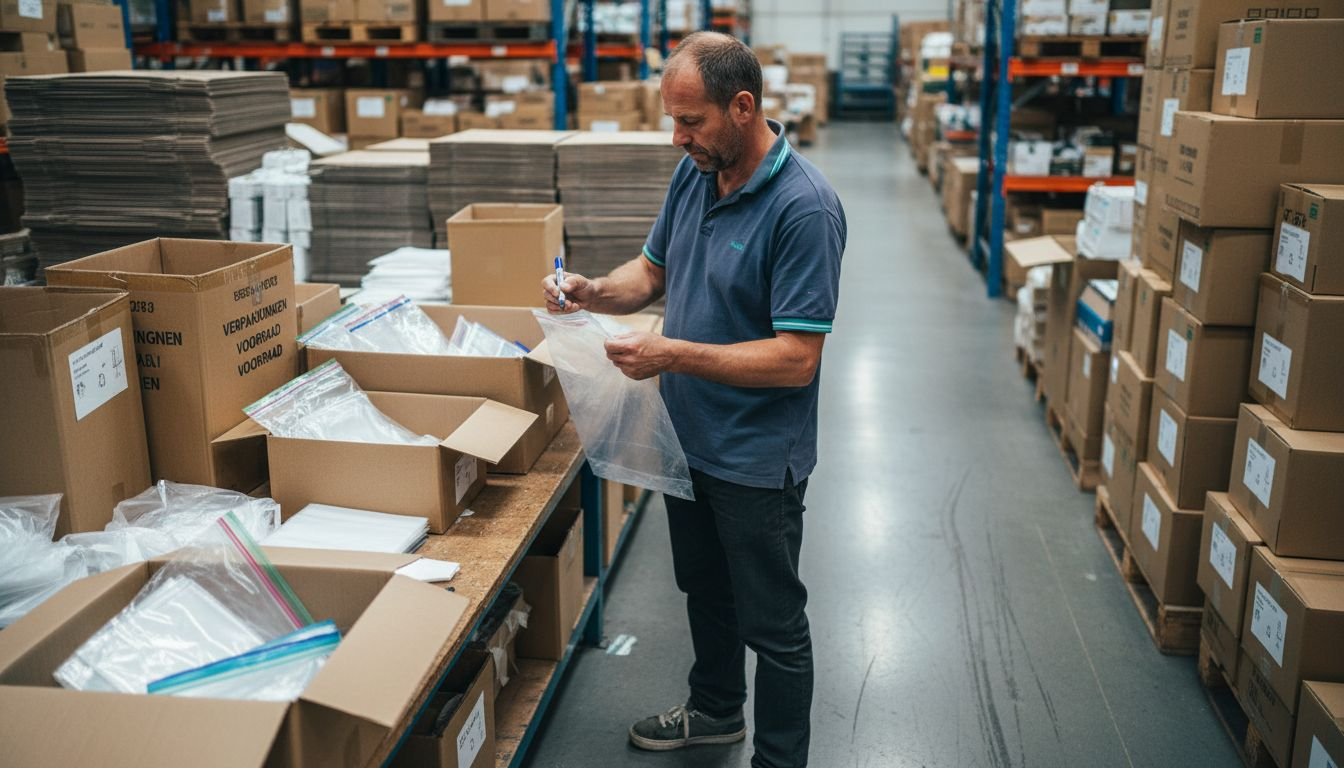
Below you will find an overview of the material properties and relevant applications of the most important plastics:
| Material type | Properties | Typical application | Environmental impact |
|---|---|---|---|
| PET | Strong, clear, easily recyclable | Food and beverage packaging | Low impact when recycling |
| PE (HDPE/LDPE) | Flexible, water resistant, inexpensive | General storage, retail packaging | Moderate impact, much collected |
| PP | Heat resistant, chemical resistant | Microwave-safe bags | More difficult to recycle, longer usable |
Selecting the right material depends on several factors: product weight, storage conditions, transport conditions, and environmental impact. A careful analysis of these aspects helps determine the optimal material choice.
Pro tip: Have several material samples tested under realistic conditions before making a final material choice for your packaging.
Applications in gift shops and retail environments
In modern gift shops and retail environments, resealable plastic bags play a vital role in presentation, protection, and brand experience. Industrial gift packaging requires smart, functional storage solutions that do more than simply package a product.
The applications of resealable plastic bags in retail environments include:
-
Gift wrapping
- Protection of vulnerable items
- Professional presentation
- Possibility of personalization
-
Product storage
- Hygienic storage
- Space-efficient organization
- Protection against moisture and external influences
-
Merchandising
- Attractive product display
- Simple categorization
- Possibility of price labeling
Choosing the right type of plastic bag depends on specific product characteristics, desired appearance, and practical requirements. Some bags are perfect for jewelry, others for food or delicate gifts.
Modern gift shops no longer view resealable plastic bags as merely functional items, but as an integral part of the customer experience and brand presentation. The right packaging can make the difference between a mediocre purchase and a memorable experience.
Pro tip: Invest in high-quality, clear plastic bags that combine both functionality and aesthetics for a professional look.
Environmental regulations and recycling in Central Europe
Environmental regulations for plastic packaging in Central Europe are undergoing a major transformation, specifically aimed at reducing single-use plastics. Regulations for single-use plastics are becoming increasingly strict, with the aim of substantially reducing their environmental impact.
The key aspects of this regulation include:
-
Collection requirements
- Mandatory separate collection of plastic packaging
- Minimum recycling percentages
- Introduction of deposit schemes
-
Recycling processes
- Development of specialized recycling technologies
- Stimulating the circular economy
- Promotion of sustainable processing methods
-
Forward-looking measures
- Gradual reduction of single-use plastics
- Support for alternative packaging materials
- Introduction of stricter environmental standards
Starting in 2026, new regulations will take effect requiring retailers to collect all plastic packaging, including resealable bags, through the PMD system (Plastic, Metal, Drinks Cartons). This initiative aims to improve the quality of recycled raw materials and optimize recycling processes.
The transition to a more sustainable packaging infrastructure requires a joint effort from manufacturers, retailers, and consumers. It's not just about regulations, but about a fundamental shift in thinking about packaging materials.
Pro tip: Stay up-to-date on the latest environmental regulations and proactively invest in sustainable packaging solutions.
Comparison with alternatives and common mistakes
In the world of packaging materials, resealable plastic bags aren't just a standard solution. Sustainable packaging requires a nuanced approach that carefully considers various aspects.
Alternatives to plastic bags include:
-
Paper bags
- Biodegradable
- Traditional look
- Less sustainable in transport
-
Compostable packaging
- Environmentally friendly
- Special waste processing required
- Higher production costs
-
Reusable cloth bags
- Maximum sustainability
- Higher initial investment
- Suitable for multiple uses
Common mistakes when using packaging materials include:
Below we compare the main alternatives to sealable plastic bags based on four relevant criteria:
| Packaging alternative | Biodegradability | Sustainability in reuse | Costs and processing |
|---|---|---|---|
| Paper bag | Good, fast composting | Worse with moisture/multiple times | Low, easy processing |
| Compostable film | High, if properly instructed | Less suitable for reuse | High, special waste processing |
| Cloth bag | Not compostable | Excellent reusability | High, washable and reactivable |
- Overpackaging without functional necessity
- Incorrect waste separation
- Ignoring local recycling guidelines
- Insufficient attention to material efficiency
Despite their bad reputation, plastic bags can have a smaller carbon footprint than some alternatives, if used and recycled correctly. The actual environmental impact depends on the full lifecycle management.
Pro tip: Thoroughly analyze the specific packaging process and choose materials that are both functional and environmentally conscious.
Optimize your retail packaging with high-quality resealable plastic bags
The challenge of efficient and safe storage in retail requires smart solutions focused on the right closure mechanism and material selection. In this article, you've read about the importance of zip-lock or pressure-seal bags, for example, which not only protect products but are also sustainable and easy to recycle. You'll also see how choosing the right material, such as PET or PP, directly contributes to a professional appearance and complies with the increasingly stringent environmental regulations in Central Europe.
At Kadopapier.net, you'll find a wide range of packaging materials, including various types of resealable plastic bags that perfectly match your business needs. Discover how our products contribute to efficient product presentation while also meeting environmental requirements. Choose packaging solutions that combine functionality and sustainability today and make a difference in your retail environment.
Browse our selection and enhance your packaging process via Kadopapier.net . Don't wait any longer, because responsible and professional packaging starts with the right choice.
Frequently Asked Questions
What are resealable plastic bags?
Resealable plastic bags are versatile packaging solutions used for storage, presentation, and protection of products in retail.
What are the different types of resealable plastic bags?
The main types are zip-lock bags, pressure-seal bags, slide-lock bags, heat-sealable bags, and block-bottom foil bags. Each type offers unique advantages depending on the application.
How can I use resealable plastic bags sustainably?
Make optimal use of the bags by separating them correctly after use, and choose recycled or biodegradable options where possible.
What are common misconceptions about plastic bags?
Some misconceptions are that all plastic bags are bad for the environment and that food waste immediately makes packaging unsuitable for recycling. It's important to know that proper separation is essential for recycling.