


Transparent film: Visibility and protection in retail
Many retailers are surprised that more than 60 percent of consumers base their purchasing decisions partly on the appearance of packaging . In Central Europe, gift shops are looking for ways to make their products stand out during seasonal promotions and events. Transparent film plays a clever role in this, but not all transparent packaging works the same way. Discover how the right film contributes to product experience, protection, and a striking presentation in your store.
Table of contents
- What is transparent film and misconceptions
- Main material types and variations
- Features, functionality and appearance
- Applications in retail and gift packaging
- Safety, regulations and environmental issues
- Alternatives, costs and common mistakes
Key Points
| Point | Details |
|---|---|
| Transparency variations | Not all transparent films are created equal; consider the specific properties for your application. |
| Choice of materials | Choose films such as Polyethylene or Polyester based on product needs and aesthetics. |
| Sustainability requirements | Consider eco-friendly options such as recyclable and biodegradable materials. |
| Packaging strategies | Avoid common mistakes by paying attention to product safety and environmental impact. |
What is transparent film and misconceptions
Transparent film is a material that transmits light without significant scattering, leaving the underlying objects fully visible. Transparency in materials goes beyond simply being see-through—it's about the specific way light moves through the material.
There are different types of transparency, and not all films are equally transparent. Complete transparency means the material becomes almost invisible, while partial transparency (also called translucency) creates a slightly blurred view of the objects underneath. Transparent film is widely used in retail to keep products protected and visible at the same time.
A common misconception is that all transparent films have the same properties. In reality, transparency varies greatly depending on composition and production techniques. Graphic applications demonstrate that transparency can be nuanced, with materials ranging from completely transparent to slightly colored or partially faded.
Pro tip: Always check the specific properties of transparent film before applying it in your retail environment, as not all films are suitable for every application.
Main material types and variations
In the world of transparent films, there are numerous material types, each offering unique properties for different retail applications. Plastic films such as polyvinylidene fluoride play a crucial role in modern packaging solutions, particularly due to their excellent combination of transparency and protection.
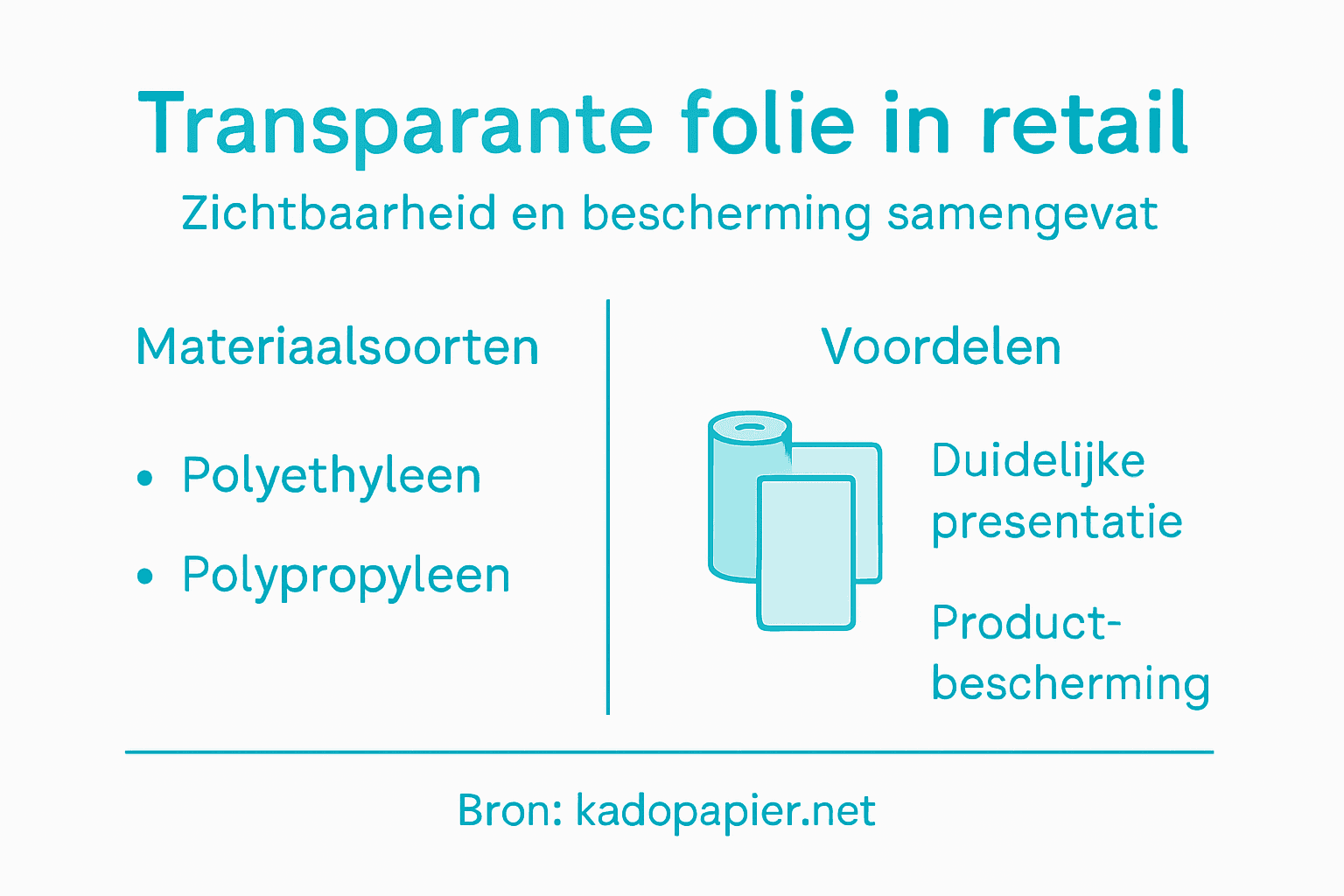
The main material types can be divided into several categories: plastic films, coated materials, and specialty composites. Polyethylene , polypropylene , and polyester are popular choices in the retail sector. These materials are distinguished by their various properties, such as flexibility, transparency, and mechanical strength. Some films are developed for specific applications, such as food packaging or the protection of delicate products.
Paper types and film variants offer a wide range of possibilities for retailers. Glossy, semi-glossy, and matte films are available, each with specific visual and protective properties. The choice depends on factors such as desired visibility, product characteristics, and packaging purposes. Some common variations include:
- Transparent films with high transparency
- Lightly structured films with subtle texture
- Coated films with extra protective layer
- UV-resistant transparent materials
Pro tip: Always choose a film material that perfectly matches the specific properties and protection requirements of your product.
Here you will find an overview of commonly used types of transparent films and their main properties:
| Type of foil | Transparency level | Typical application | Main advantage |
|---|---|---|---|
| Polyethylene | High | Food packaging | Flexible and affordable |
| Polypropylene | Very high | Gift wrapping | Sleek appearance, easy to print |
| Polyester (PET) | Very high | Luxury products, displays | High strength and scratch resistant |
| Coated films | Variable | Protection vulnerable | Extra barrier against moisture and dirt |
| UV resistant type | Medium to high | Outer packaging | Longer lifespan under sunlight |
Features, functionality and appearance
Transparent film is characterized by high light transmission, allowing the products underneath to remain clear and undistorted. This makes the material ideal for retailers who want to optimally present their products with maximum visibility and protection.
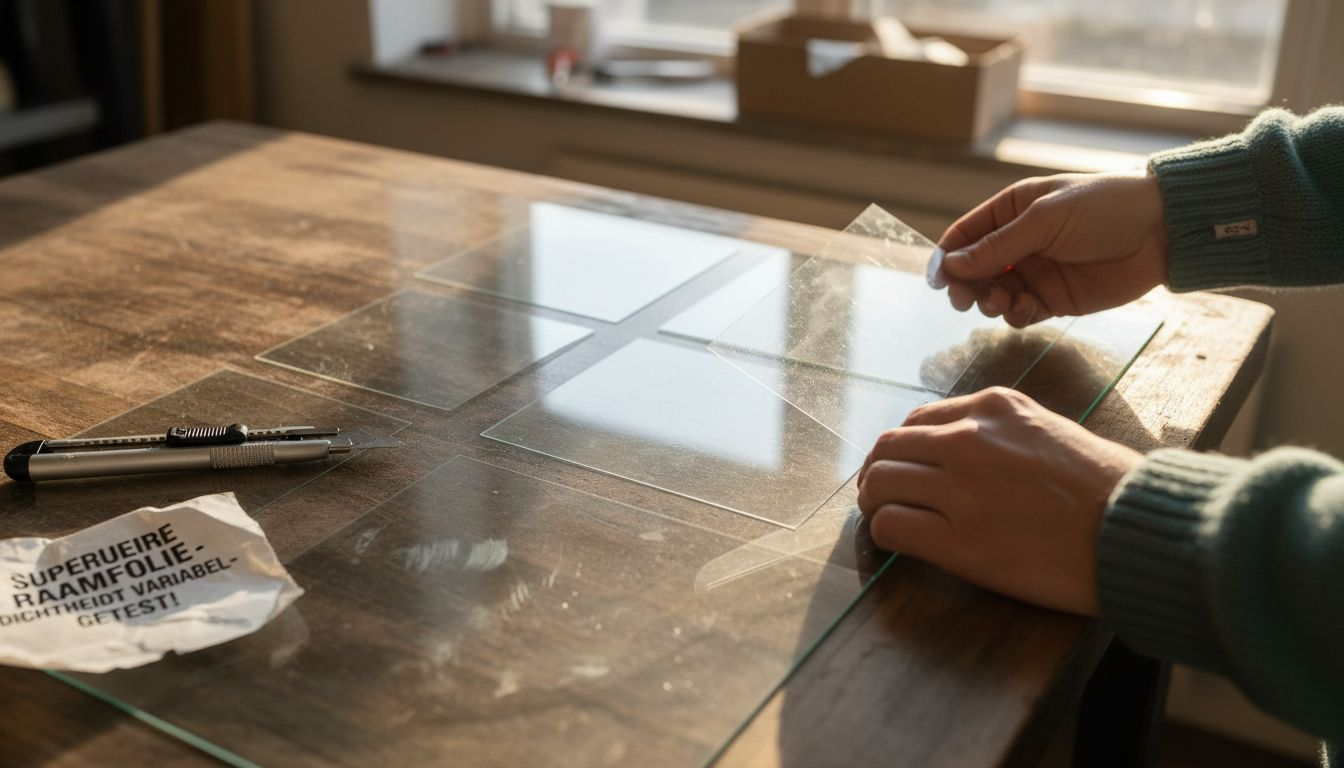
The functional properties of transparent film are versatile. The material not only protects against dust and moisture but also offers a professional, sleek appearance to packaging. The degree of transparency and texture finish can vary, allowing retailers to choose films that perfectly match their specific product presentation.
Innovative film technologies enable increasingly sophisticated visual effects. Modern transparent films, for example, can have dynamic properties such as:
- Color-changing surfaces
- Customizable textures
- Light reflecting capabilities
- Layered protective layers
These advanced capabilities enable retailers to make their product packaging not only functional but also visually appealing.
Pro tip: Experiment with different opacity levels and textures to find the most suitable packaging solution for your specific product.
Applications in retail and gift packaging
Transparent films in retail and gift wrapping play a crucial role in visually and attractively presenting products. They offer a unique combination of protection and aesthetics that is essential for modern sales purposes.
Transparent films are strategically used in various retail sectors for a variety of applications. Food packaging , gift wrapping , and presentation purposes are the most important categories. Fresh food, delicate gifts, and high-quality consumer products are protected while maintaining their visual appeal.
Customer experience in physical stores is strongly influenced by packaging choices. Transparent films allow for direct product visibility, which aligns with the modern consumer desire for authenticity and transparency. Some specific applications include:
- Food products in supermarkets
- Luxury gift packaging
- Seasonal gift wrapping
- Promotional displays
- Protective overpackaging for fragile products
These versatile materials not only support protection but also enhance the visual appeal of products in the retail environment.
Pro tip: Choose transparent films that perfectly match the specific presentation needs of your product in terms of thickness, transparency level and texture.
Safety, regulations and environmental issues
Packaging material safety guidelines are a vital part of modern retail packaging. They ensure that transparent films meet strict consumer protection and product safety standards.
Regulations surrounding packaging materials are complex and vary by sector and region. Local and international standards define the specifications for material use, chemical composition, and potential health risks. Retailers must constantly stay informed about changing regulations to meet all safety requirements.
Circular packaging design is becoming increasingly important in the fight against environmental impact. Modern guidelines encourage the use of:
- Recyclable transparent films
- Biodegradable materials
- Materials with a low environmental impact
- Foils that are easy to reuse
These developments reflect the growing societal and legal pressure to create more sustainable packaging solutions.
Pro tip: Regularly consult the latest environmental and safety guidelines to keep your packaging strategy up to date.
The table below summarizes the sustainability and regulatory requirements of modern films:
| Material type | Recyclable | Biodegradable | Regulatory point of attention |
|---|---|---|---|
| Standard plastic | Yes, species dependent | No | Chemical composition |
| Biobased film | Yes | Yes | Industrial compostability |
| Coated composite | Difficult | No | Separation of layers required |
| Paper-foil combination | Limited | Yes | Waste stream separation necessary |
Alternatives, costs and common mistakes
Alternative packaging materials are becoming increasingly important for retailers who want to operate in an environmentally conscious way. These alternatives offer new possibilities for sustainable packaging solutions beyond traditional transparent films.
The main alternatives to transparent film include molded pulp packaging , biodegradable materials , and reusable packaging solutions . These materials can be more expensive to purchase, but offer significant advantages in terms of sustainability and environmental impact.
Packaging costs and consumer behavior are closely linked. Common mistakes when choosing packaging materials include:
- Insufficient attention to product safety
- Excessive use of material
- Misjudgment of consumer preferences
- Not taking into account transport conditions
- Lack of attention to environmental impact
By avoiding these pitfalls, retailers can develop more effective and cost-efficient packaging strategies.
Pro tip: Always analyze the total life cycle cost of a packaging material, not just the purchase price.
Optimize your product presentation with transparent film
The challenge highlighted in this article is finding the perfect balance between visibility and product protection in retail. Transparent film must be clear yet durable enough to protect products from dust, moisture, and damage. Choosing the right material and texture can also make a difference in how your product is perceived by the customer. Understandable concerns such as transparency, safety, and environmental friendliness require expert solutions tailored to your specific needs.
At Kadopapier.net, we offer a wide range of high-quality packaging materials perfectly suited to these challenges. From flexible plastic films to stylish gift wrap, everything is focused on optimal presentation and protection. Discover how our products can transform your retail and gift packaging with a professional look and durable quality. Browse our selection and experience how easy it is to improve your packaging strategy through Kadopapier.net . Don't wait any longer and ensure your products are visible and safe with our reliable packaging solutions.
Frequently Asked Questions
What is transparent film?
Transparent film is a material that transmits light without significant scattering, leaving underlying objects fully visible.
What types of transparent film are there?
There are several types of transparent films, including polyethylene, polypropylene and polyester, each with unique properties and applications in the retail sector.
How can transparent film improve product presentation?
Transparent film provides protection against dust and moisture and allows products to be optimally presented without the packaging interfering with the product's appearance.
What are the main benefits of using transparent film in retail?
Transparent film combines protection and aesthetics, enhancing the visual appeal of products and contributing to a better customer experience in stores.
Recommendation
- Transparent Film: Efficient Packaging for Shops – Kadopapier.net
- Transparent Film: Packaging and Presentation Power – Kadopapier.net
- Water-Repellent Wrapping Paper: Complete Guide to Use – Kadopapier.net
- Using Foil or Paper: Understand the Basics and Applications – Kadopapier.net
- Container with glass wall - transitbox.nl