


Small cardboard boxes: Efficient for gift shops
Every detail counts when presenting gifts in your Central European store. The right choice of efficient and attractive packaging determines not only the protection but also the appearance of each gift. Small cardboard boxes offer a lightweight and versatile solution specifically designed for storage and presentation. This article will help you discover how to select the perfect cardboard boxes to match your product range, sustainability, and professional appearance.
Table of contents
- Definition and basic concept of small cardboard boxes
- Main types and sizes of boxes
- Key material properties and durability
- Applications in gift shops and retail use
- Common mistakes and practical tips for use
Key Points
| Point | Details |
|---|---|
| Functional and Sustainable | Small cardboard boxes are versatile packaging solutions that provide both protection and presentation, and are also environmentally friendly. |
| Selecting the Right Type | Choosing the right type of box depending on the product dimensions and requirements is crucial for optimal functionality. |
| Sustainable Material Properties | Cardboard has a high recyclability and low CO2 emissions, making it a smart choice for sustainable business operations. |
| Avoiding Common Mistakes | Accurate measuring and consideration of material thicknesses are essential for preventing packaging problems and improving aesthetics. |
Definition and basic concept of small cardboard boxes
Small cardboard boxes are more than just simple packaging materials—they are crucial tools in the world of retail and presentation. Cardboard boxes are versatile objects designed for storing, protecting, and displaying products, and are particularly popular in gift shops.
A cardboard box is essentially a sealable object specifically constructed for the storage and display of small items . They are made by carefully folding and shaping cardboard, with the following key properties:
- Lightweight material
- Excellent protection capacity
- Easy to print surface
- High degree of adaptability in terms of size and shape
- Environmentally friendly composition
The construction of these boxes is based on precision and functionality. Cardboard packaging has a recycling rate of over 90% , making it not only practical but also sustainable for modern businesses.
The basic concept revolves around protection and presentation. Small cardboard boxes are often used in retail, gift shops, and e-commerce environments where the first visual impression is just as important as the protection of the product itself. They function as mini billboards that not only protect but also communicate and entice.
Pro tip: Always choose cardboard boxes that perfectly match the dimensions of your product to ensure optimal protection and a professional appearance.
Main types and sizes of boxes
In the world of gift packaging, small cardboard boxes play a crucial role, with numerous types and sizes designed for specific needs. Boxes range from tiny, matchbox-sized to larger formats, each with unique features and applications for gift shops.
The main types of cardboard boxes include:
- Folding boxes : Easy to assemble
- Standard boxes : Uniform and versatile
- Gift boxes : With special decorative finishes
- Transport boxes : Extra sturdy for fragile products
- Display boxes : Designed for attractive presentation
Accurate measurements of length, width, and height are essential for selecting the correct type and size. The thickness of the cardboard determines not only its strength but also its ultimate usability.
When choosing sizes, a gift shop should consider factors such as product dimensions, shipping requirements, and aesthetic presentation. Small boxes typically range from 5x5x5 cm for miniature products to 30x20x10 cm for larger gifts.
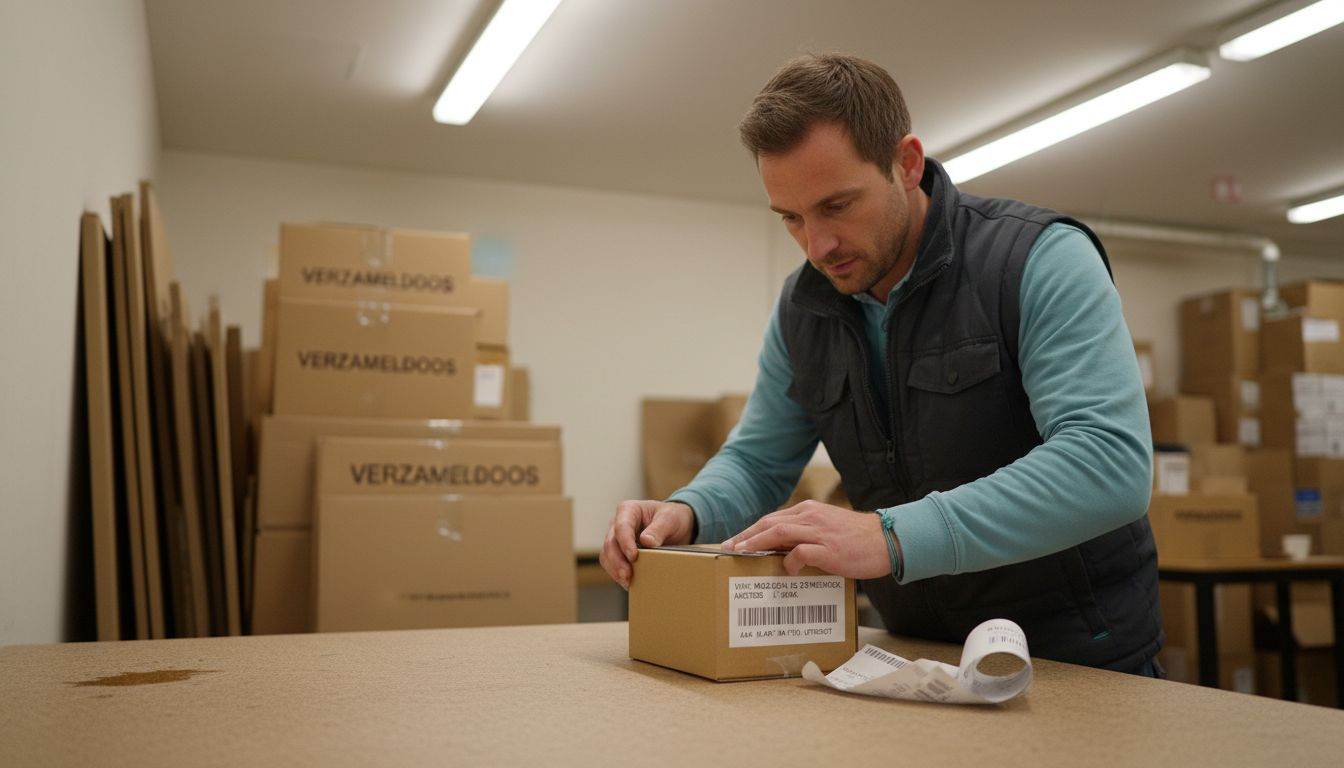
Below you'll find an overview of which types of cardboard boxes are best suited for different products and purposes:
| Type of box | Ideal application | Benefits for gift shops | Typical dimensions |
|---|---|---|---|
| Folding box | Small accessories | Easy to store, flexible | 6x6x6 cm |
| Standard box | General gift usage | Universally applicable, quickly available | 10x8x5 cm |
| Gift box | Luxury gifts | Enhances premium appearance | 20x15x10 cm |
| Transport box | Fragile items | Maximum protection | 30x20x10 cm |
| Display box | Visual presentation in store | Increases product attention | 25x20x7 cm |
Pro tip: Invest in a range of standard sizes that cover the most common product sizes in your store to optimise inventory costs.
Key material properties and durability
Cardboard boxes aren't just packaging materials—they're intelligent, versatile solutions that perfectly balance functionality and sustainability. Cardboard is one of the most sustainable packaging materials , with a unique ability to support environmentally friendly business processes.
The main material properties of cardboard boxes include:
- High recyclability
- Low CO2 emissions
- Excellent strength properties
- Printability
- Moisture resistance
- Light weight
Cardboard often consists of multiple layers of paper , which increases the structural integrity and versatility of the boxes. Different types of cardboard, such as folding cartons and solid board, offer specific advantages for various packaging needs.
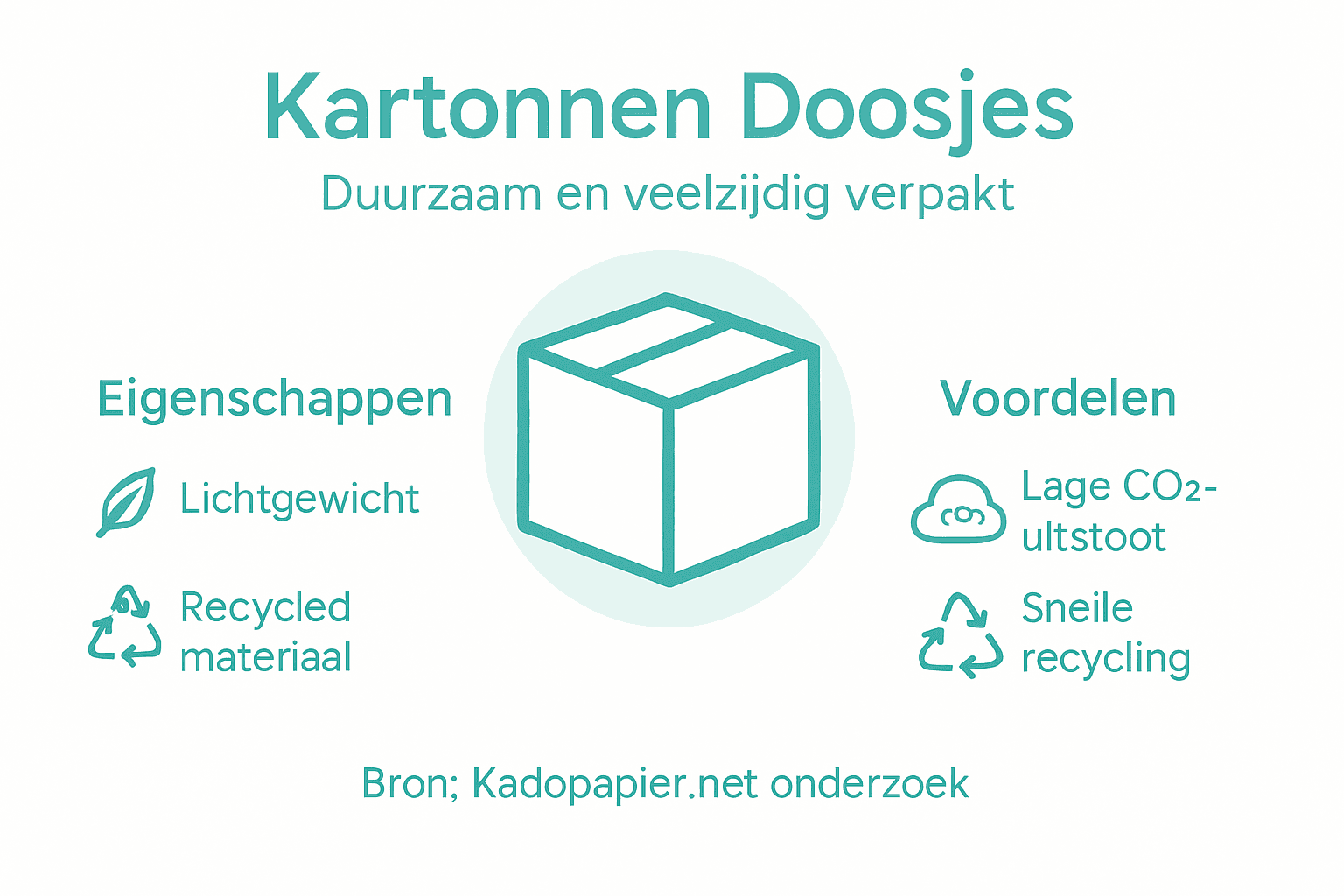
The ecological impact is particularly favorable: cardboard has relatively low CO2 emissions of approximately 940 grams per kilogram, making it an attractive choice for sustainable gift shops. Modern cardboard production is increasingly focusing on certified sustainable sources, such as FSC-certified material.
This overview shows the impact of material properties of cardboard boxes on sustainable entrepreneurship:
| Characteristic | Business advantage | Sustainability impact |
|---|---|---|
| High recyclability | Reduces waste costs | Promotes circular economy |
| Low CO2 emissions | Enhanced environmental label | Reduces ecological footprint |
| FSC certification | Builds customer confidence | Guarantees responsible forest management |
| Moisture resistance | Protects goods | Extends the life of packaging |
Pro tip: Always choose FSC-certified cardboard boxes to support your sustainability goals and offer your customers environmentally conscious packaging solutions.
Applications in gift shops and retail use
Small cardboard boxes are indispensable tools in modern gift shops, with numerous creative and practical applications. Small cardboard boxes are often used for packaging and presenting gifts , striking the perfect balance between functionality and aesthetics.
The main applications in gift shops include:
- Presentation of luxury gifts
- Protection of vulnerable products
- Personalized packaging solutions
- Communicating brand identity
- Seasonal decorative packaging
- Efficient storage and transport
Gift shops use small cardboard boxes for efficient packaging with sustainable materials. They fulfill several crucial functions: protection, presentation, and communicating brand values.
The retail sector values these boxes for their versatility—from small jewelry boxes to large gift packaging. They can be printed, decorated, and customized to specific brand identities, making them a powerful communication tool.
Pro tip: Invest in a variety of box sizes and develop a recognizable packaging style that makes your brand instantly identifiable.
Common mistakes and practical tips for use
When using small cardboard boxes, gift shops often make crucial mistakes that can compromise the quality and presentation of their products. Common errors include inaccurately measuring object dimensions and failing to consider material thickness, which can result in ill-fitting or unsuitable packaging.
The most common mistakes when using cardboard boxes include:
- Incorrect sizing
- Not taking material thickness into account
- Excessive packaging
- Insufficient product protection
- No attention to aesthetics
- Inefficient use of space
A critical flaw in the packaging process is overpacking, which leads to unnecessary material usage and increased environmental impact. Practical tips include minimizing empty space, using recycled cardboard, and finding a balance between protection and sustainability.
Well-trained store associates can prevent these errors by measuring accurately, adding marginal clearance (1-2 mm), and paying attention to proper joining techniques such as toothed joints. Furthermore, it's important to tailor the packaging to the specific product.
Pro tip: Develop a standard packaging protocol that trains employees to accurately measure and efficiently package products.
Discover the perfect small cardboard boxes for your gift shop at Kadopapier.net
You know that the right packaging makes the difference between an ordinary purchase and an unforgettable experience. Small cardboard boxes are essential for a professional and sustainable presentation of your products. With challenges such as precise sizing, protecting fragile items, and projecting your brand identity, it's crucial to choose high-quality, sustainable packaging materials that precisely meet your needs.
At Kadopapier.net, you'll find a wide range of cardboard boxes specifically designed for gift shops and retailers. Our packaging perfectly combines functionality and aesthetics, helping you minimize waste through efficient sizes and high-quality materials. Let your gifts shine with sustainable options that meet the demands of today and tomorrow.
Don't wait any longer and enhance the image of your gift shop with our practical and stylish packaging solutions. Visit our webshop at Kadopapier.net and discover the possibilities for packaging your products in an attractive and environmentally friendly way. Choose quality, convenience, and sustainability now.
Frequently Asked Questions
What are small cardboard boxes and what are they used for?
Small cardboard boxes are packaging designed for storing, protecting, and presenting products, especially in gift shops. They are often used for wrapping gifts and other small items.
What types of small cardboard boxes are there?
There are several types, including folding boxes, standard boxes, gift boxes, transport boxes, and display boxes. Each type has unique properties and is suitable for specific applications.
How does the material composition of cardboard boxes contribute to sustainability?
Cardboard boxes are highly recyclable and have low CO2 emissions, which contributes to a reduced ecological footprint. Using FSC-certified cardboard emphasizes responsible forest management and sustainability.
What are common mistakes when using cardboard boxes?
Common mistakes include incorrect measurement, insufficient product protection, and overpacking. This can lead to unsuitable packaging and increased environmental impact.